| | MALAWI DEVELOPMENTS SERIES 2025/2026 - PART II
| |
| |
Malawi’s emergence as one of the most complete tourist destinations in Africa is continuing to gather pace and 2026 looks like it will be another great year for the Warm Heart of Africa. Last year saw plenty of positive developments in the country, and this year promises even more. We’re currently taking a look at achievements from 2025 and plans for 2026 that underpin this upward trajectory. First off, last week, was a look at some of Malawi’s key local tour operators and transport companies. Take a look at that here. This week it’s the turn of the country’s game parks and safari lodges.
| | | |
| | Wild Renewal: Malawi’s Evolving Safari Experience
| |
| |
Malawi’s
game parks and safari lodges recorded a year of substantial progress in 2025,
marked by infrastructure upgrades, new wildlife experiences and deeper
community engagement. With continued investment planned for 2026, the country’s
safari sector is strengthening its reputation for intimate, conservation-led
wildlife tourism combined with meaningful local partnerships.
| |
|
|
|
| | Upgrades Across Flagship Parks | |
| |
In
Liwonde National Park, managed by African Parks, 2025 focused on
enhancing both accommodation and safari services. Chinguni House benefited from
upgraded solar power, while Chimwala Bush Camp underwent major renovations
including new kitchens, reception areas and expanded safari tents. Full-board
dining was introduced at Chimwala, and a new guest property, Ligulo House,
opened to visitors. The park also expanded its safari capacity with two
additional game-viewer vehicles and a new 20-seater boat for wildlife and
leisure activities on the Shire River. Campsite facilities at Chinguni were
further improved with a new kitchen and lapa, and game drives were extended to
day visitors for the first time.
At Nkhotakota Wildlife Reserve, also managed by African Parks, 2025 developments concentrated on access, comfort and activity diversification. All major tourism roads were rehabilitated, improving travel conditions throughout the reserve. A new camping site was developed at the base of Chipata Mountain to support multi-day hiking experiences, while Livezi Bush Camp received upgraded furnishings and expanded catering options, including the introduction of full-board services. Dining facilities at Mphatso Restaurant were refreshed, and a new roadside tourism stop-over was created along the M5 to serve long-distance travellers.
| |
|
|
|
| |
New Activities and Immersive Experiences
| |
| |
Activity
offerings across Malawi’s parks expanded notably in 2025. Nkhotakota introduced
sport fishing on the Bua River during the January–June season, alongside new
walking trails around Chipata Mountain and the Environmental Education Centre.
Additional tourist roads were opened to enhance game-drive routes, while new
camping facilities near the Livezi River provided visitors with closer access
to wilderness areas.
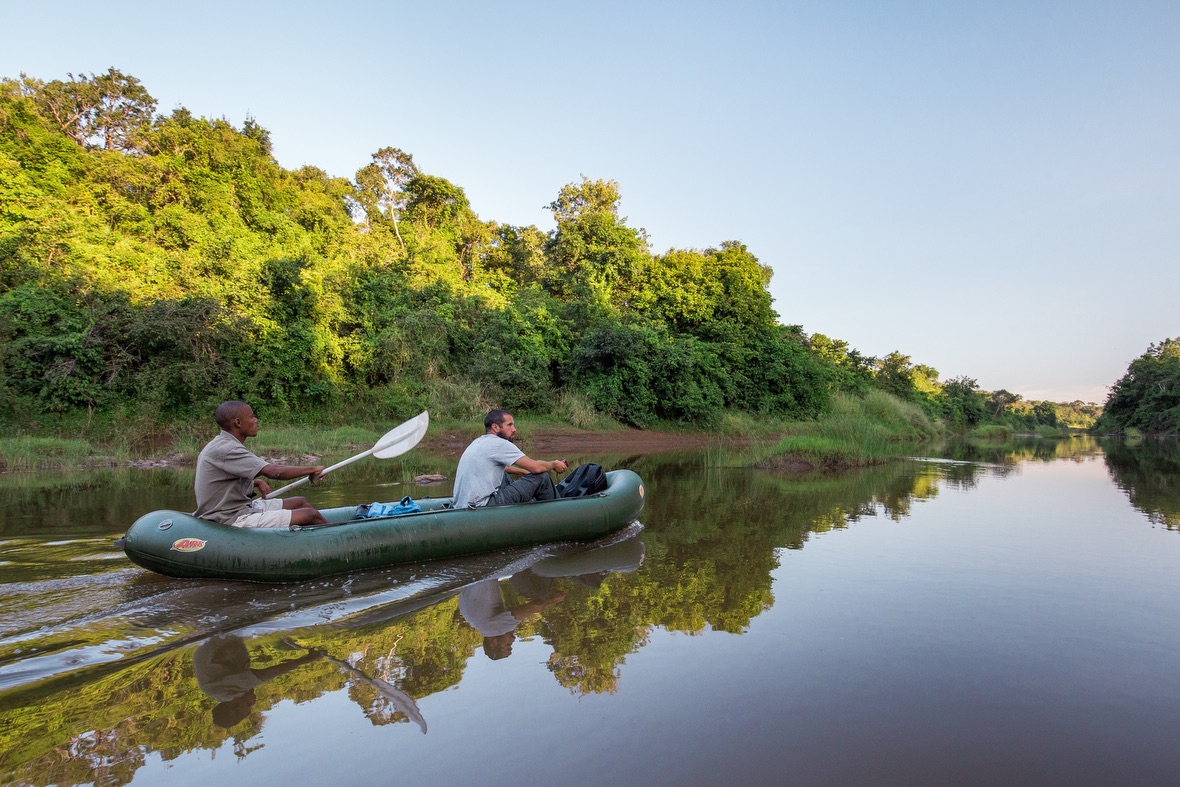
Within Nkhotakota, Tongole
Wilderness Retreat reintroduced guided canoeing on the Bua River, offering
a low-impact, non-motorised safari experience led by trained rangers and
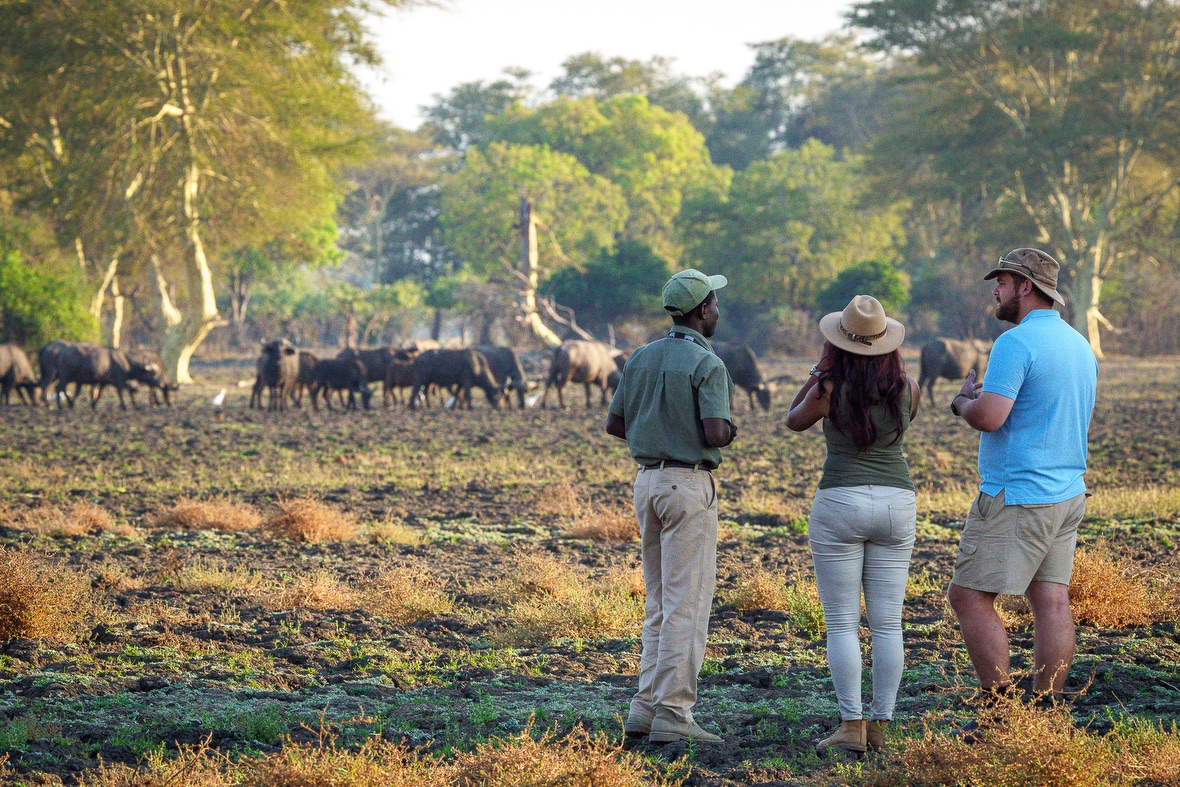
guides. New guided walking trails were also launched in collaboration with
African Parks, allowing guests to explore the reserve on foot while learning
about its diverse flora and fauna.
| | | |
| |
Community Partnerships and Conservation
| |
| |
Community
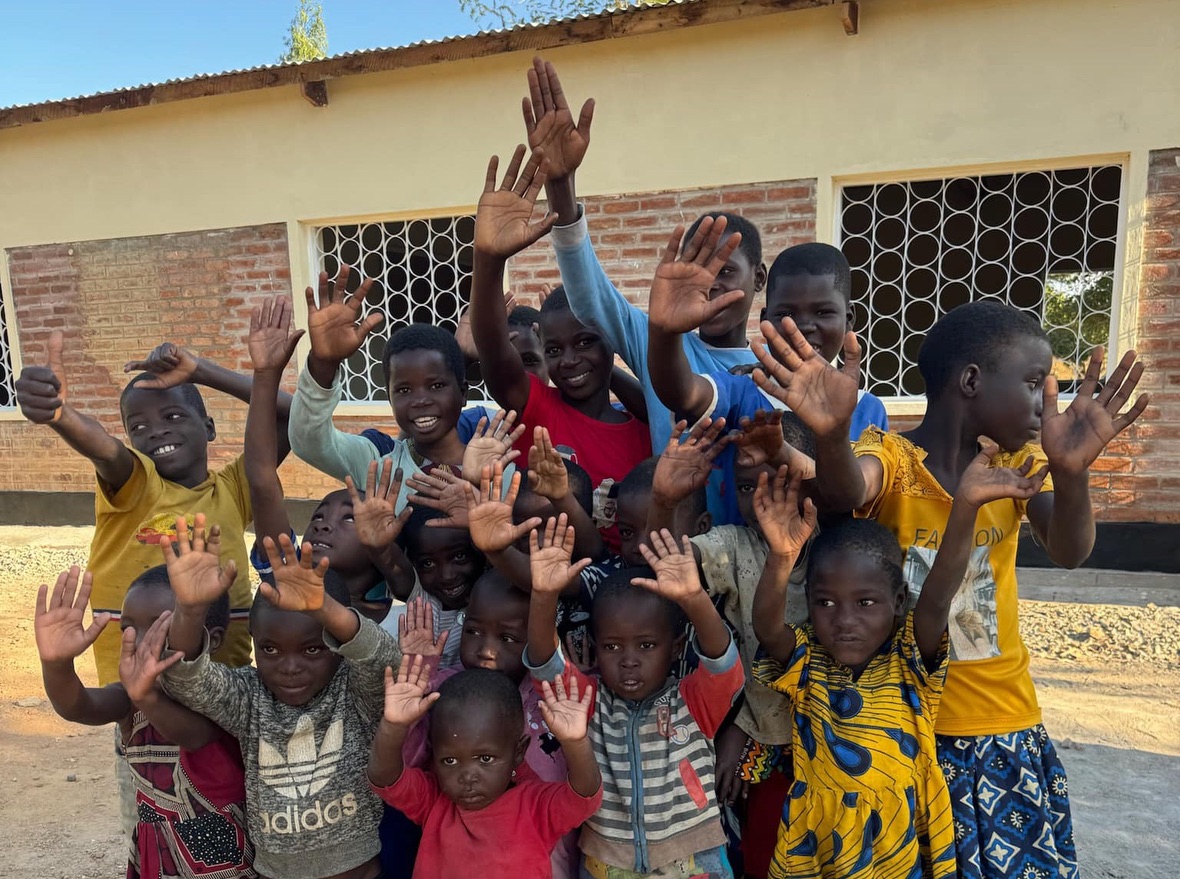
engagement remained central to safari operations in 2025. Through the Tongole
Foundation, education projects were expanded in surrounding villages, including
the construction of additional classrooms at Chankhokwe Primary School. Guests
were offered opportunities to participate in community visits and conservation
activities, while voluntourism initiatives continued to support school
renovations and educational resources. A confirmed voluntourism group is
scheduled to return in May 2026 to continue this work.
| | | |
| |
New Openings and Lodge Developments
| |
| |
A
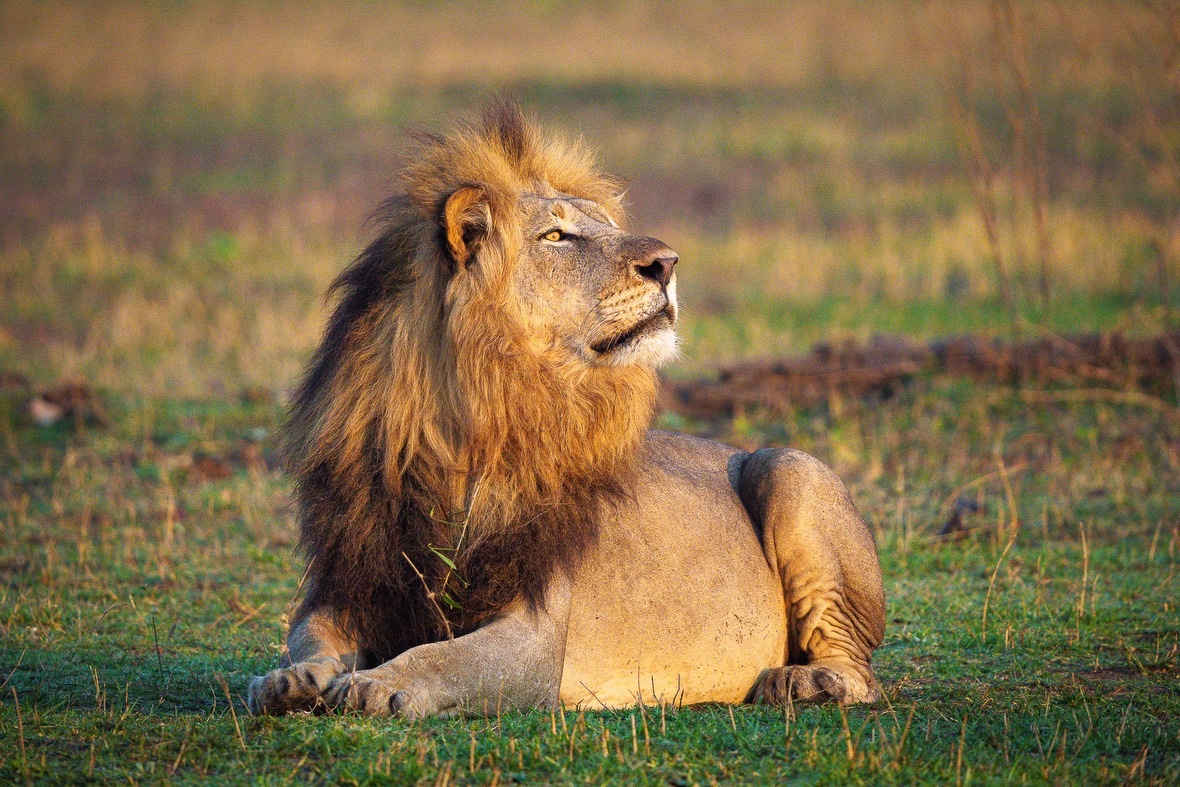
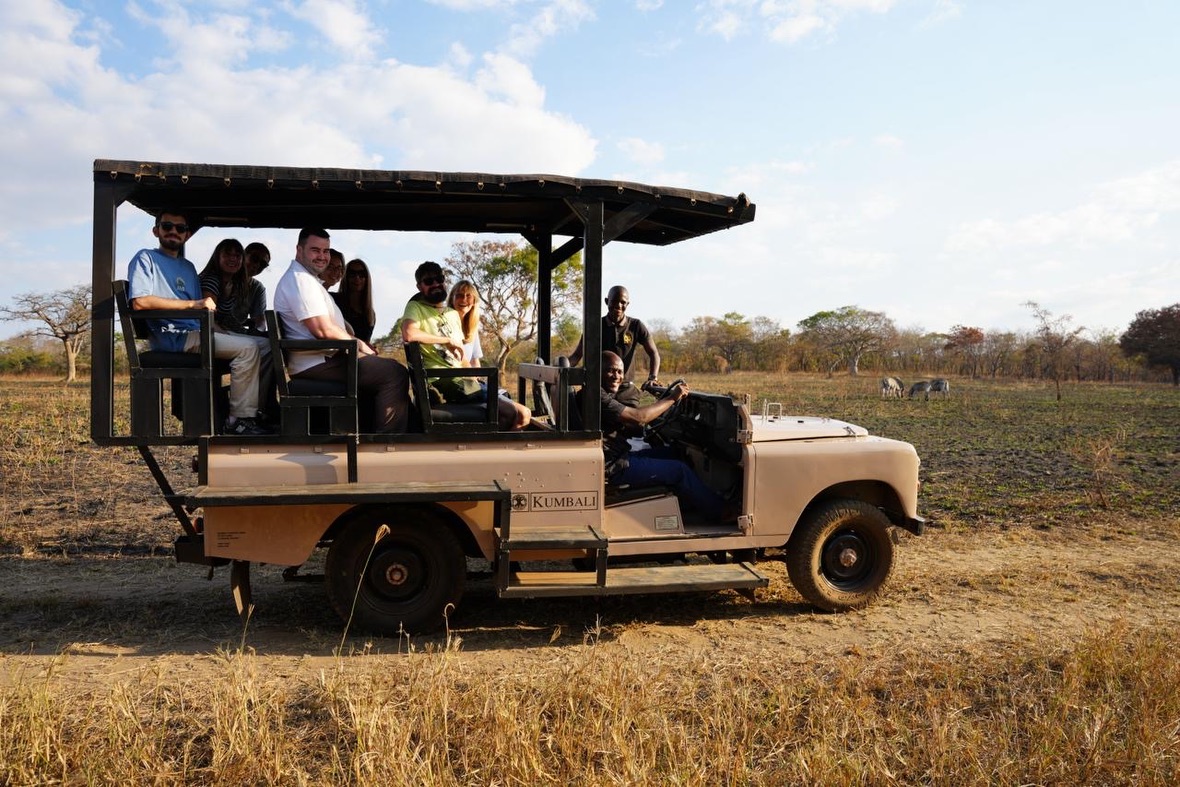
significant milestone in 2025 was the official opening of Kumbali Game
Reserve in Lilongwe, which began guided safari operations in February.
Since opening, the reserve has expanded its wildlife population with the
introduction of zebra and impala and has recorded several new births. Game
drives are now available to the public, supported by the opening of Kumbali
Castle, a new venue offering conference facilities, event spaces and
regional dining overlooking the reserve. Further wildlife introductions and
enhancements to the safari experience are planned for 2026.
Elsewhere, Kuthengo
Camp in Liwonde National Park began converting its family tent into a
spacious suite aimed at couples and honeymooners, while Zua Safari Lodge
opened the Zua Safari River Spa on the banks of the Shire River. The spa, open
to lodge guests and day visitors, offers riverside wellness treatments rooted
in Malawian traditions. Renovation work at the Zua Safari Campground is
scheduled for completion in late 2025, introducing upgraded tents, a new
open-air kitchen and improved communal facilities.
| | | |
| |  | | | |
| |
Plans for
2026 point to continued growth and refinement across Malawi’s safari sector.
Highlights include additional wildlife introductions at Kumbali Game Reserve,
expanded guided activities and walking trails in Nkhotakota, and the return of
voluntourism groups supporting education initiatives. New safari itineraries,
such as Robin Pope Safaris’ Best of Malawi small-group departure, will
link major parks including Liwonde and Majete, alongside Lake Malawi, offering
visitors a comprehensive wildlife and beach experience.
With strong
foundations laid in 2025, Malawi’s game parks and safari lodges enter 2026 well
positioned to deliver richer wildlife encounters, improved facilities and
tourism experiences that support both conservation and local communities.
| |
| |
© All images provided by members of the Malawi Travel Marketing Consortium.
| |
|
|
|
|